
Outdoor Lighting Repairs for Security, Garden and Driveway Lights
Exterior lights fail differently from indoor lights. Rain, condensation, wind movement, corroded terminals, damaged cable and faulty PIR sensors can all create intermittent faults that need testing, not guesswork.
Not sure if an outdoor lighting fault is urgent or safe to leave?
Find out in under 60 seconds before booking an electrician.
Zapline gives homeowners instant triage during electrical and home emergencies — helping you understand what’s happening, reduce immediate risk and take the right next step.
No sign-up. No obligation. Just clear guidance.
Most homeowners start here before calling an electrician.
Step 2 — if you need an electrician after your diagnosis, call or WhatsApp Entigen directly.
Why Outdoor Lights Need Proper Diagnosis
Outdoor lighting faults can be frustrating because they often appear and disappear. A security light may work in dry weather but trip the RCD in rain. An outside light may stay off completely, while a PIR light may stay on all night, fail to trigger, or switch randomly when wind moves branches. Garden lights may flicker because moisture has entered a junction box rather than because the lamp itself has failed.
Entigen repairs and diagnoses security lights, PIR sensor lights, wall lights, driveway lighting and garden lighting faults across Kettering and Northamptonshire. The aim is to find the cause: water ingress, failed seals, corroded terminals, poor cable entries, damaged external cables, faulty lamps, failed LED drivers or an issue further back on the circuit.
Some exterior lights can be repaired. Others are better replaced because the fitting is no longer weatherproof or the LED driver is built into a sealed unit. We check before recommending parts.
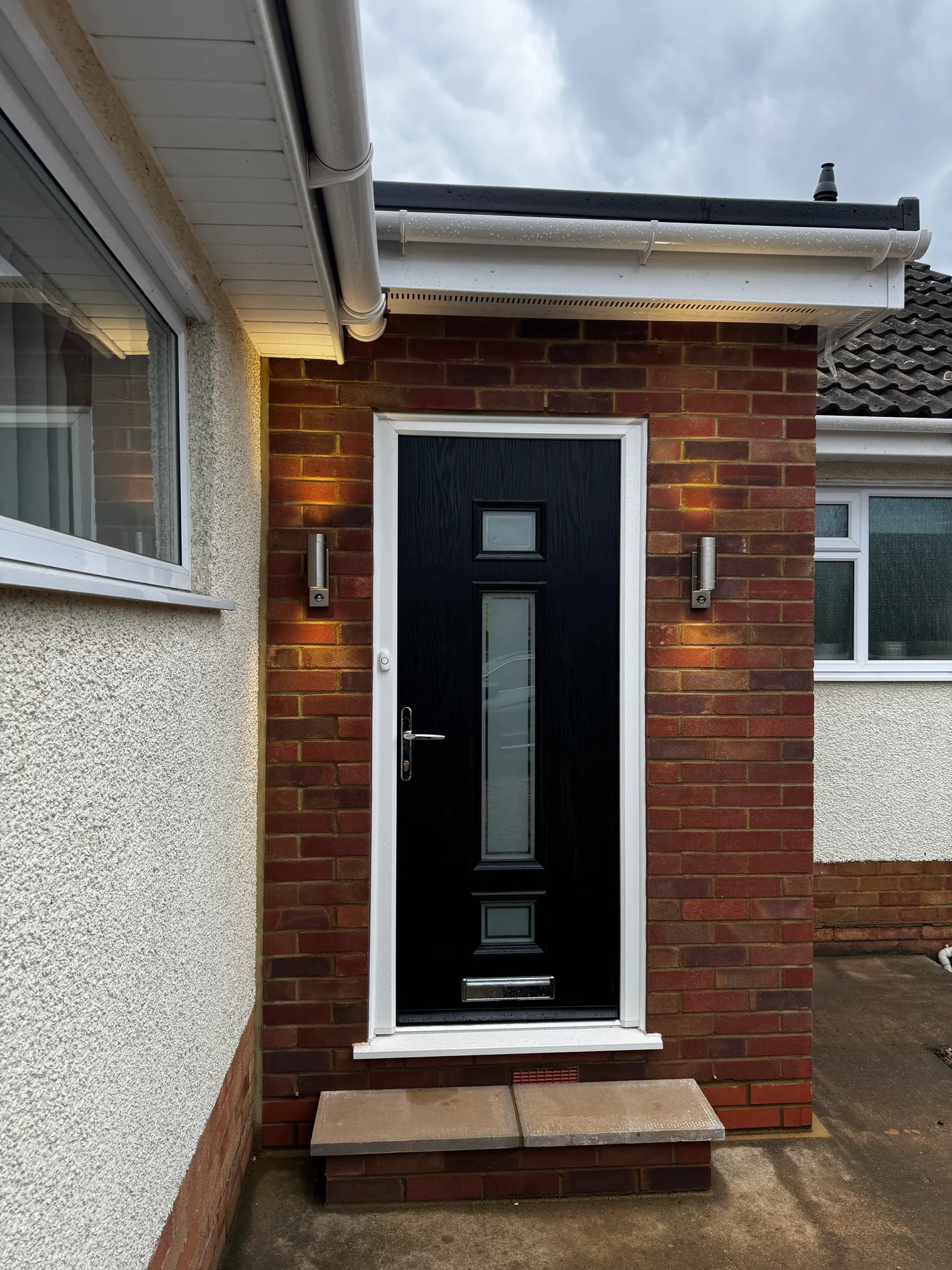
Common Outdoor Lighting Faults
Exterior faults often need insulation testing and inspection, especially when rain or temperature affects the symptom.
IP Ratings for Outdoor Lighting
An IP rating describes how well an enclosure resists solids and water. For outdoor lighting, the correct rating depends on exposure, position, mounting angle, cable entry and the manufacturer's instructions. A sheltered porch light has a different risk profile from a driveway floodlight or garden spike light exposed to rain and splash.
The rating only works when the fitting is installed correctly. A good IP-rated fitting can still fail if the cable gland is wrong, the seal is trapped, the cover is cracked, the fitting is angled against instructions, or a junction box nearby is not suitable for the location.
Why Faults Appear After Rain, Wind or Cold Weather
Rain can lower insulation resistance where water enters a fitting or joint. Condensation can bridge terminals overnight and then dry out before anyone inspects it. Wind can move a cable or PIR head just enough to expose a loose connection. Temperature changes can affect failed seals and old plastic housings.
This is why "it only trips when it rains" is useful diagnostic information. The circuit may test differently dry than wet, so we use the symptom pattern, inspection and electrical testing together.
- 1Turn the affected circuit off if there is water ingress, burning smell, visible damage, repeated tripping or a damaged fitting.
- 2Do not keep resetting an RCD that trips when outdoor lights are switched on. Repeated resets do not fix water or insulation faults.
- 3Do not open outdoor fittings in wet conditions unless you are competent, the circuit is isolated, and it has been proved dead.
- 4Keep people away from damaged fittings or exposed cable, especially around paths, driveways, gates and garden areas.
- 5Call a qualified electrician if the fault involves tripping, moisture, burning smell, intermittent operation or damaged exterior cable.
When an Outdoor Lighting Fault Needs an Electrician
Call an electrician when a light trips the RCD, behaves differently in wet weather, has visible water inside, shows corrosion or burn marks, has a damaged cable, or the PIR sensor keeps triggering incorrectly. Exterior faults often involve moisture and fixed wiring, so proper testing matters.
Attendance depends on workload, urgency, access and location. If the circuit can be safely isolated and the area made safe, a repair can often be planned. If there is burning smell, exposed conductors, repeated RCD tripping or water in live equipment, treat it as urgent and contact us for advice.
How We Diagnose Outdoor Lighting Faults
Swapping a fitting without testing can leave the real fault in place. If the issue is moisture in a junction box or damaged cable, a new light may fail or trip the same circuit again.
Not every outdoor light repair is automatically Part P notifiable. Simple like-for-like repairs differ from new circuits or significant fixed-wiring alterations. If the scope changes, we explain the compliance position before proceeding.
When Outdoor Lights Can Be Repaired
- The cable entry or terminal connection is loose but the fitting is otherwise sound.
- A replaceable lamp, PIR head or separate driver has failed.
- The junction box can be replaced with a suitable weatherproof enclosure.
- The IP seal is intact and the fitting has not corroded internally.
- The circuit tests correctly after the fault is corrected.
- The fitting is full of water or badly corroded.
- The LED driver is built into a sealed fitting and has failed.
- The cover, seal, hinge, lens or cable gland has failed.
- The fitting's IP rating or installation position is unsuitable.
- The old light has repeated faults even after basic repairs.
Outdoor Lighting Repair FAQs
Related electrical fault help
If your issue sounds similar, these pages may help you understand the fault before getting in touch.
Outdoor Light Fault in Kettering?
Tell us what type of light it is, when the fault happens, whether the RCD trips, and whether rain or wind affects it. We will confirm the practical next step before attending.
Mon–Fri 8:30–16:30 · NAPIT Registered · Serving Kettering and Northamptonshire